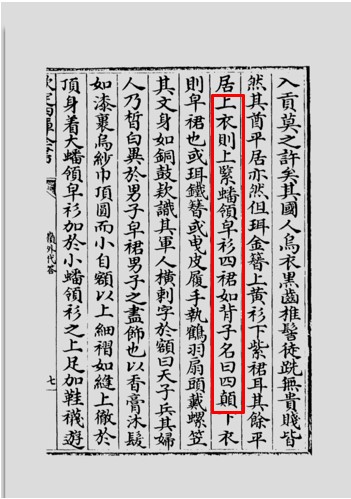
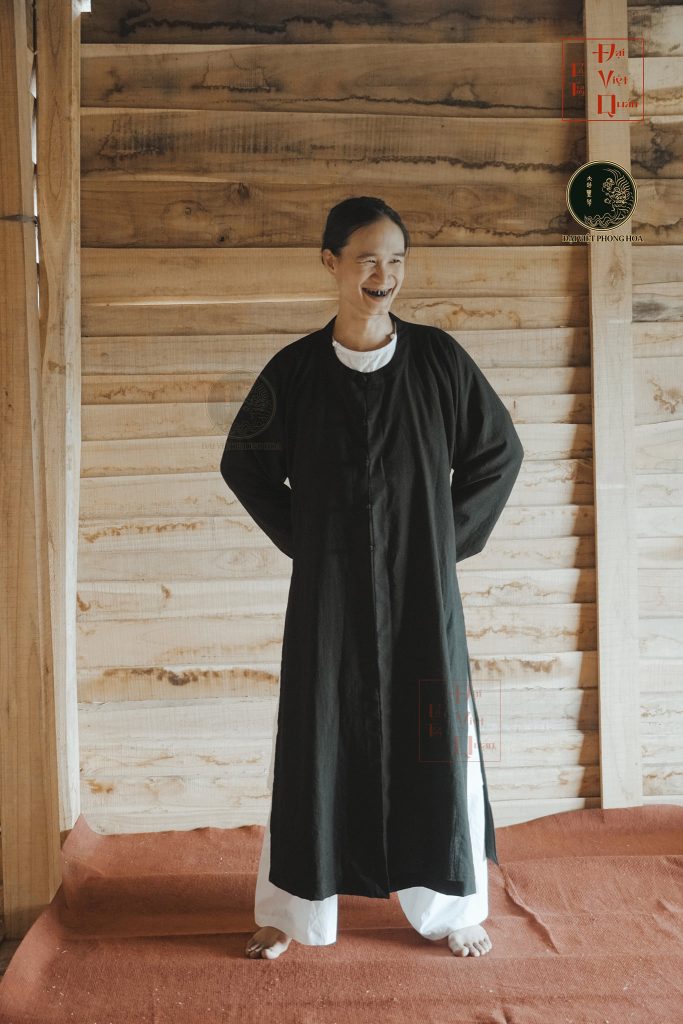
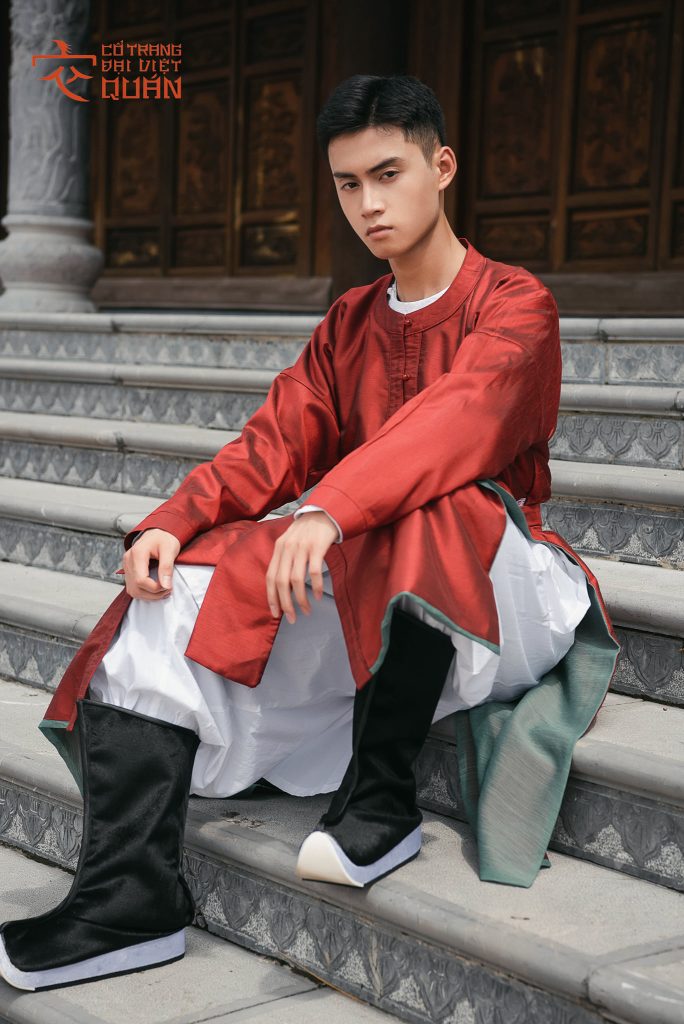
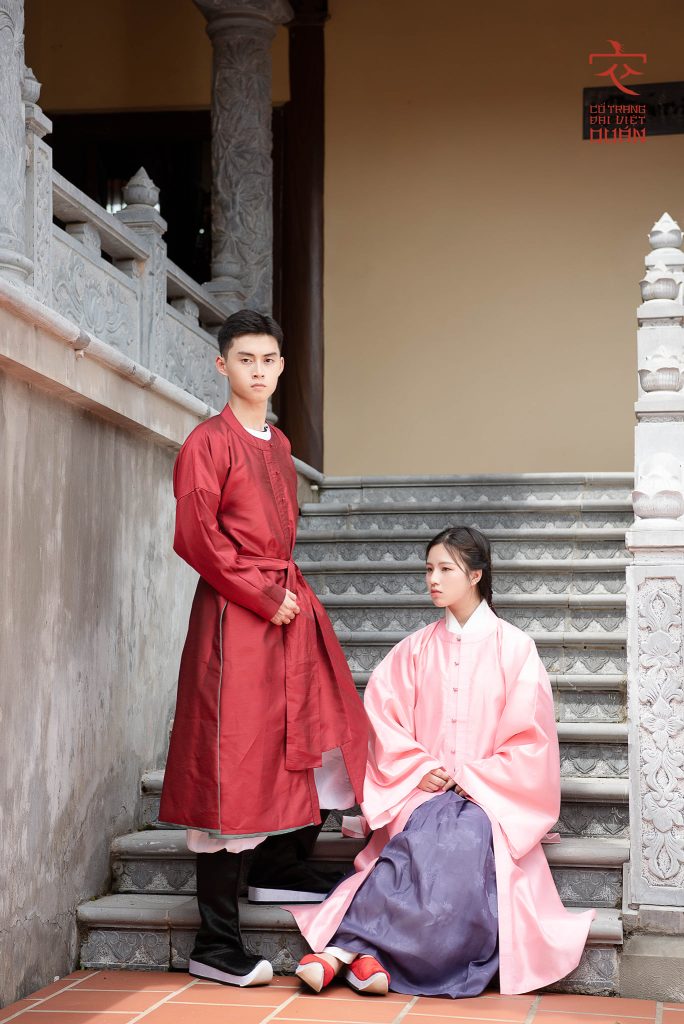
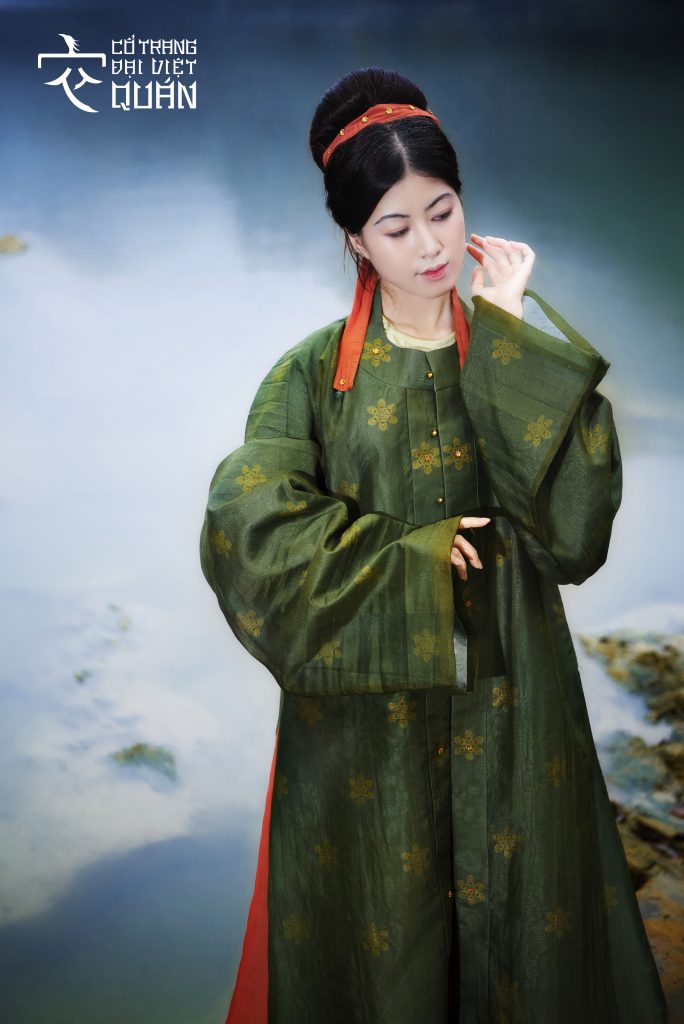
Khi mô tả người Việt thời Lý, “Lĩnh Ngoại Đại Đáp” của học giả người Tống là Chu Khứ Phi đã nhắc tới một dạng áo bàn lĩnh, tức áo cổ tròn, may bằng vải là, thân áo xẻ thành bốn vạt, lại có kết cấu tương tự như áo Bối Tử của Trung Hoa, gọi là áo Tứ Điên.
Từ những mô tả trên, chúng ta có thể suy đoán rằng Tứ điên là một dạng viên lĩnh đối khâm, với phần vạt áo được cố định, che kín thân trên; vạt áo sau lưng có đường xẻ ở giữa, tạo thành hai vạt, hợp với hai vạt ở thân trước tạo thành bốn vạt.
Nguyên văn:
其餘平居上衣則上緊蟠領頸皂衫四裾如背子名曰四顚“
Những người còn lại thượng y là một thứ áo sam cổ tròn màu đen may bằng là, phần trên khép lại, thân áo xẻ thành bốn vạt, trông như áo Bối tử, gọi là Tứ điên.”
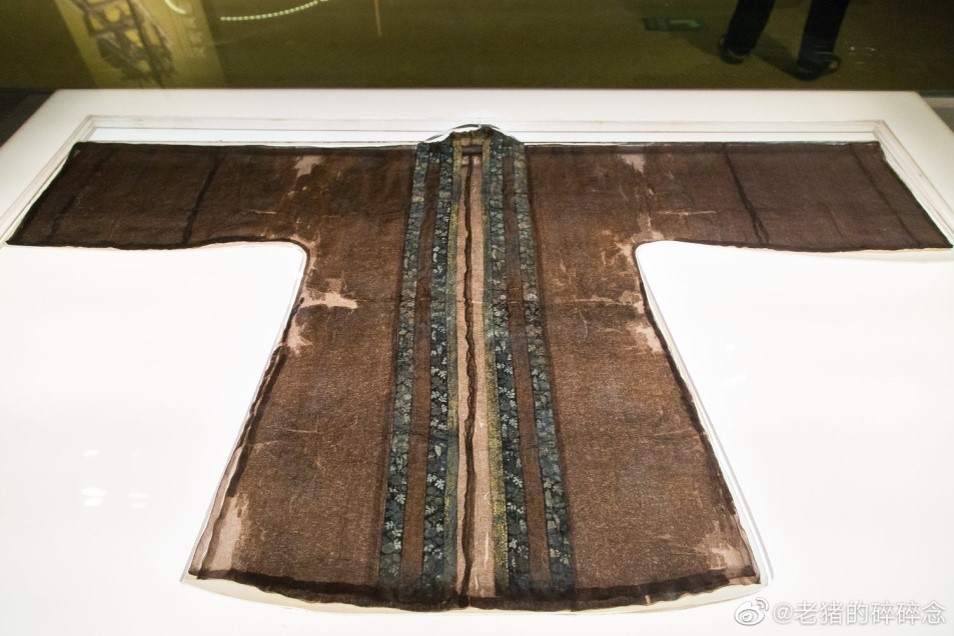
Hiện vật áo Bối tử thời Tống Unearthed Beizi from Song dynasty
Four Flap tunic
When describing the Vietnamese people of the Ly dynasty, the “Representative Answers from the Region beyond the Mountains” of the Song scholar Chou Ch’ü-fei mentioned a black round-collar tunic made of gauze, its upper part was closed whereas the lower parts were slit into four flaps, and it ressembled the Beizi of China, and was called “Tứ điên”. From the above descriptions, we can infer that the Four Flap tunic is a round-collar tunic with parallel bodices, with a fixed upper part covering the whole torso; and the back of the tunic has a slit in the middle, forming two flaps, combining with the two frontal flaps to form four flaps.
其餘平居上衣則上緊蟠領頸皂衫四裾如背子名曰四顚
(Representative Answers from the Region beyond the Mountains): “The others wear a black round-collar tunic made of gauze. Its upper part is closed whereas the lower parts are slit into four flaps, and it ressembles the Beizi of China. The tunic is called “Tứ điên”.”