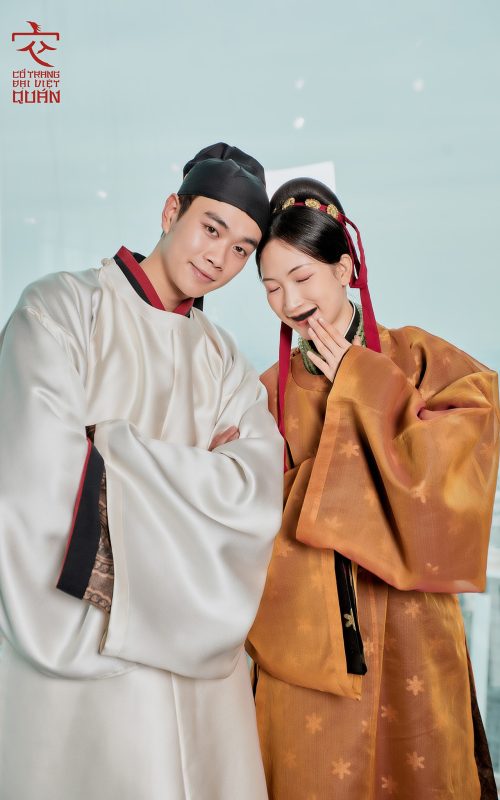

Bạch bào là một dạng áo viên lĩnh đại khâm, thường được may bằng chất vải thô, mặt vải trơn không hoa văn, có màu trắng ngả vàng chứ không trắng tinh như những loại vải đắt tiền đã được ngâm trong chất tẩy.“An Nam chí lược”, quyển 14 của Lê Tắc miêu tả về trang phục của vua Trần như sau:
“Quốc chủ lúc nhàn rỗi đội mũ Đường cân, đồ thường phục chuộng màu trắng.”
Nguyên văn:
國主平居戴唐巾常服貴白
國人著白者為之僭制惟婦女不禁
“Quốc chủ lúc nhàn rỗi đội mũ Đường cân, đồ thường phục chuộng màu trắng. Người trong nước nếu mặc quần áo màu trắng sẽ bị coi là tiếm chế, duy có phụ nữ là không bị cấm.”
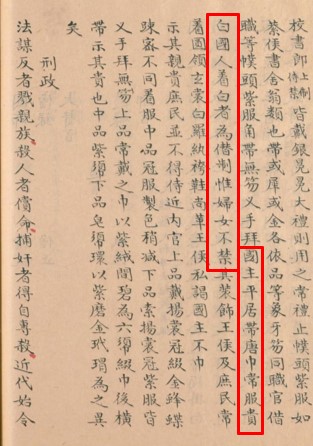
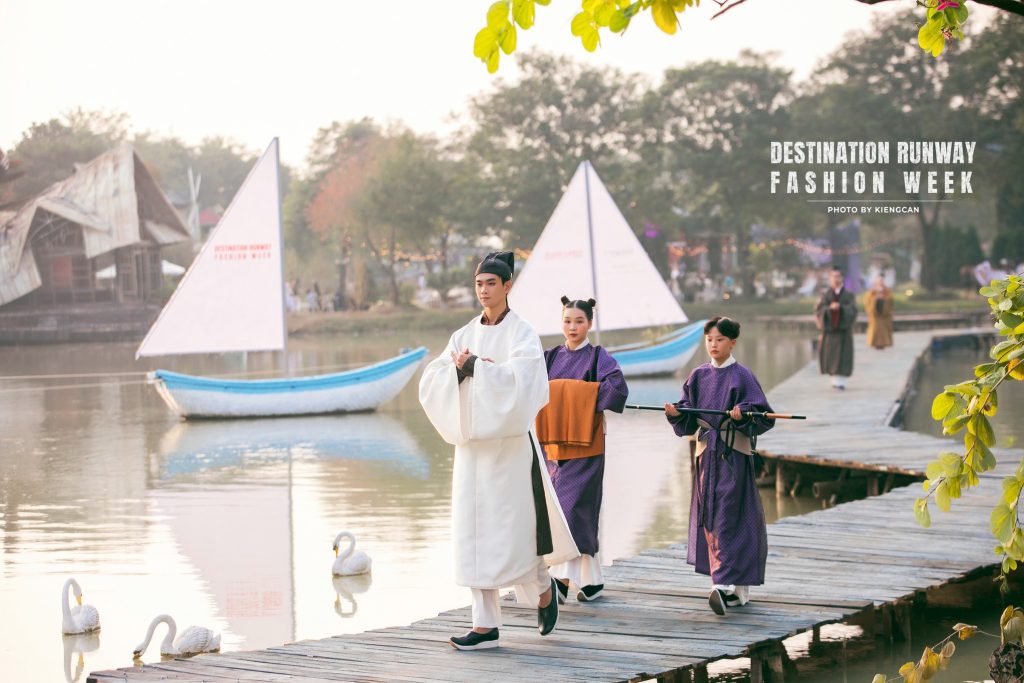
Đây là một biểu hiện cho phong thái nho nhã của các bậc quân vương hai triều Lý- Trần, vua với dân có sự gần gũi tương đồng, song cũng tồn tại ranh giới mềm để phân biệt giai cấp, bởi cũng theo Lê Tắc, người trong nước nếu mặc màu trắng sẽ bị coi là tiếm vượt phạm thượng, chỉ trừ có phụ nữ là không cấm đoán việc mặc đồ trắng.
Và ẩn dưới lớp Bạch bào giản dị là những lớp áo lót được may từ những loại vải quý, được dệt hoa văn trùng điệp, từ đó thể hiện một cách kín đáo sự giàu có và đẳng cấp của chủ nhân bộ trang phục. Đây là một phong cách thời trang bắt đầu thịnh hành ở cuối thời Đường, và được tiếp tục duy trì ở các giai đoạn sau, mà không chỉ riêng Hoàng đế Đại Việt, quốc chủ của Tống, Đại Lý,… cũng có chung lối ăn mặc này
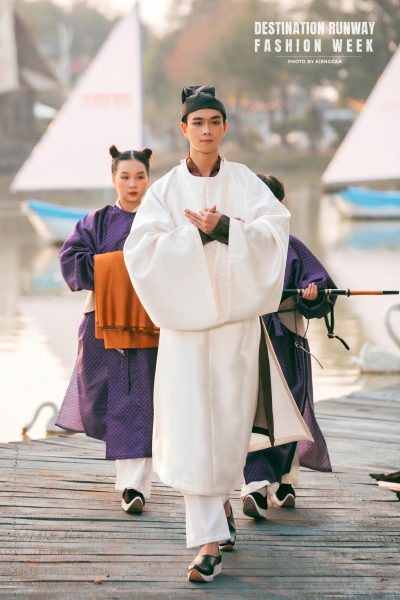
Emperor casual garnment- The White Robe
White Robe is a round-collar robe, usually made of coarse fabric, with a plain, patternless surface, of yellowish white colour, and not as pure white as expensive fabrics that have been soaked in bleach. “Abbreviated Records of An Nam “, vol. 14, of Le Tac, describes this attire of Tran dynasty mornachs as follows:
“The monarch wears tangjin hat in his leisure time, and for his casual clothes, white is the favourite colour.”
國主平居戴唐巾常服貴白國人著白者為之僭制惟婦女不禁
(Abbreviated Records of An Nam): “The Monarch wears tangjin hat in his leisure time, and for his casual clothes, white is the favourite colour. Anyone living within his dominiance would be considered irreverent if they are seen dressing in white, and only women are exempt from this prohibition.”
This attire is an expression of the elegance of the monarchs of the two Ly-Tran dynasties, as the sovereign and the subject share similarity, but there is also a soft boundary to distinguish between classes, because according to Le Tac, if people in the country wore white, they would be considered blasphemy, except for women who were not forbidden.
And hidden under the humble White Robe are undergarnments made of precious fabrics, woven with repeated patterns, thereby discreetly showing the wealth and class of the owner of the costume. This is a fashion style that began to prevail at the end of the Tang Dynasty, and continued its existence in later periods, but not only within the territory of Dai Viet, the sovereign of the Song, Dali, etc. also shared the same style.